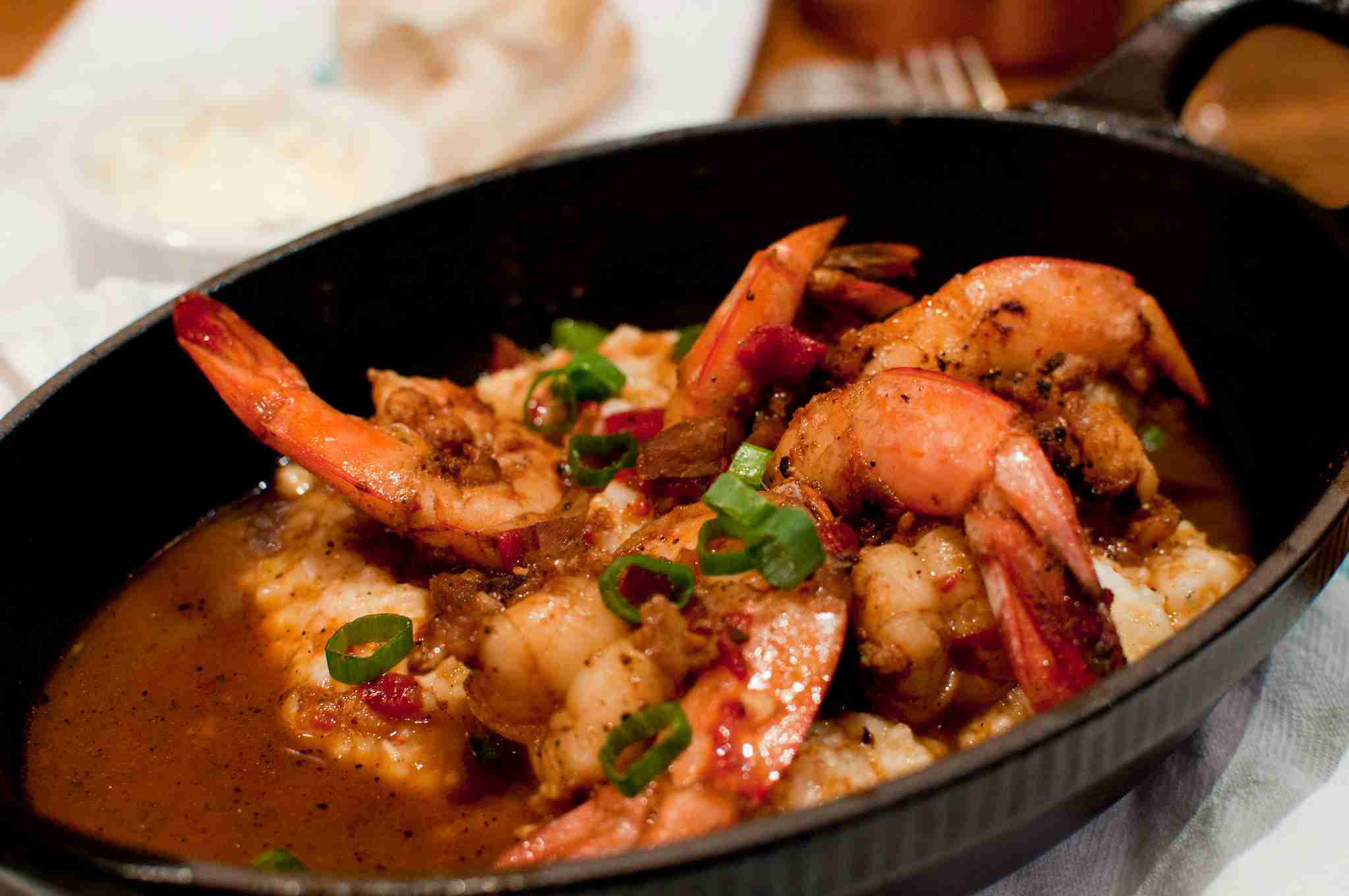
But what makes it so special?
Classic Cajun Ingredients with a Canadian Twist
Now, there’s many ways to make a gumbo. However, here I’m talking specifically about a seafood-themed variation of the dish! The exact kinds of seafood you use can vary too. Shrimp are almost mandatory, but you can also add white fish, crab meat, and oyster meat. A good gumbo also needs what is called the Creole “holy trinity”: celery, bell peppers, and onions. You can use tomatoes if you’d like, but you need that holy trinity. The thickener used is somewhat of an old debate in the Louisiana community, but three are commonly used: okra, filé powder, and roux.
The History of Canadian Gumbo
Gumbo is a Cajun dish originating in Louisiana in the early 1800's. The exact origins of the dish are hard to pinpoint, but it is believed to have influences from several cultures, including African, French, Spanish, Native American, Caribbean, and German. In fact, gumbo’s very existence is a metaphor for the mixing pot of cultures in Southern Louisiana. Back in the 18th and 19th centuries, people generally had much less mobility and lived together within a relatively small area. This caused their cultures to influence each other and combine to create new traditions and recipes! Now, centuries later, the recipe has spread across North America and is quite popular here in Alberta!
Unique Taste & Aroma
Seafood gumbo is a complex dish with many layers of flavour. On top of that, there’s a lot of different ways to make it. If roux is used as a thickener, then the amount of cooking can hugely affect the dish’s final flavour and texture. The longer it is cooked, the thinner the gumbo becomes. This also adds to the intensity of the taste. Garlic, paprika, cayenne, thyme, and bay leaf can add a nice herbal kick. Ultimately the aroma is savory, spicy, slightly smoky, and soulful. You can bet it will draw folks to the kitchen!
Great for Gatherings
A surprisingly economical dish, seafood gumbo can feed a large number of people with only a small amount of seafood. If you’ve got the pot for it, the recipe can be doubled or even tripled! If you’ve got some extra ingredients around, but not enough for an individual meal, consider tossing them in the gumbo. Leftover seafood that needs to be used before it goes bad? Put it in a gumbo! Gumbo is even good for leftovers if it is frozen or refrigerated within two hours. In Louisiana, many families would call a social gathering, “having a gumbo”!
Endless Variety
Gumbo is a veritable art form in Louisiana. There are as many gumbo recipes as there are cooks.
—Stir the Pot: The History of Cajun Cuisine, p. 135
While we're mainly looking at seafood gumbo, there are near infinite variations of the gumbo dish! Not only is seafood like crab, oyster, shrimp, and fish used, but also chicken, duck, squirrel, rabbit, and Andouille sausage. As mentioned earlier, there are three main types of thickener used for gumbo: okra, filé powder, and roux. The type you use makes a big difference! Okra is typically used for seafood gumbos, and is cooked first. Other ingredients are added once the desired consistency is reached. If using filé, then it is usually not added until after the vegetables and meats or seafood have finished cooking and been taken off the heat. Many Cajuns add it right at the table! Roux is the most popular thickener in the modern day. It is made by cooking together a roughly equal proportion of flour and fat.
Preparing and Serving
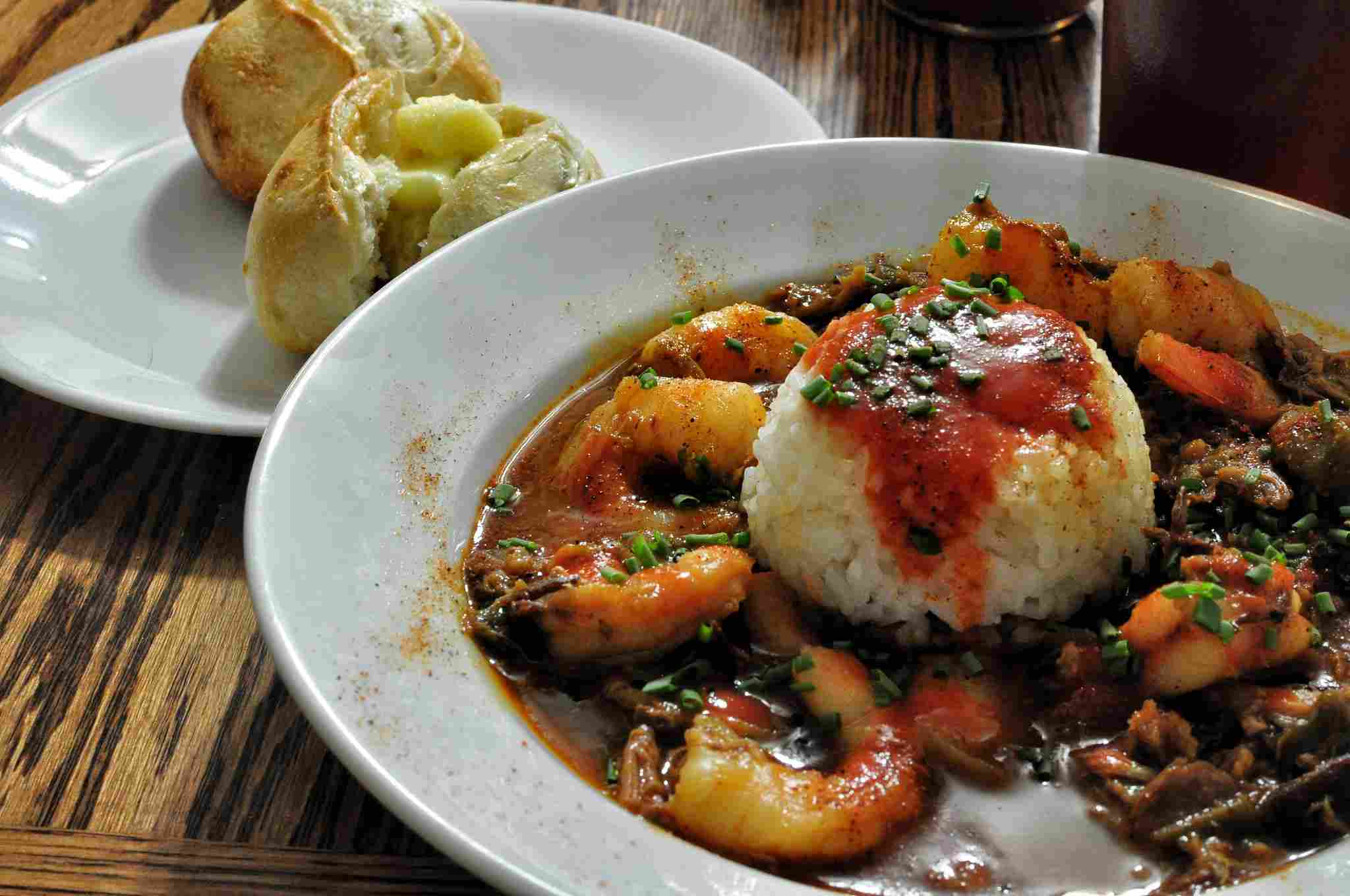
Make sure you leave yourself enough time to prepare your gumbo! I know I've left myself with far too little time to prepare this meal before. Gumbo is cooked for a minimum of three hours! Often, it will simmer all day. Also, proper seasoning of your gumbo is an art form unto itself. As it finishes, I like to sprinkle in onions and parsley. Typically, it will be served with rice and delivered directly from the pot on the stove. Potato salad can make a great side!